Walter Lane
Remember that time you were halfway through a high-stakes digital escape room I designed, only for your computer to decide it was the perfect moment for a soul-crushing spinning loading icon? I’ve been there, and let me tell you, it’s enough to make anyone want to throw their router out the window. Most people find themselves staring at a spec sheet, completely baffled by the difference between ssd and hard drive storage, wondering if they’re actually buying an upgrade or just a very expensive paperweight. It feels like trying to solve a puzzle where half the pieces are missing and the box art is written in ancient Greek.
But don’t worry, I’m not here to drown you in a sea of technical jargon or sell you on some overpriced “magic” hardware. My goal is to give you the straight talk you actually need, drawing from my years of tinkering with everything from vintage junk to high-end workstations. I’ll break down these two storage titans using analogies that actually make sense, so you can decide exactly which one fits your digital life. Consider this your no-nonsense roadmap to picking the perfect piece for your tech jigsaw puzzle!
The Reliable Old Workhorse: The Hard Disk Drive
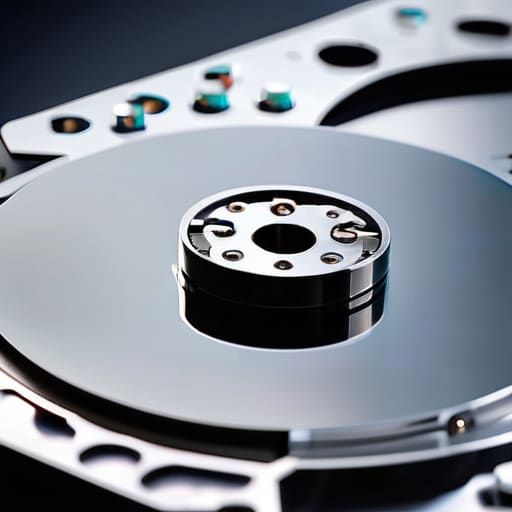
A Hard Disk Drive, or HDD, is a traditional storage device that uses spinning magnetic platters and a moving read/write head to store your digital life. At its core, the mechanism relies on physical motion, making it a mechanical marvel that offers a massive amount of storage for a relatively low price. When you are looking into the difference between ssd and hard drive storage, the HDD stands out as the king of high-capacity, budget-friendly archiving.
Think of an HDD like a massive, old-school library where a librarian has to physically walk down the aisles to find your book. It’s incredibly reliable for storing huge stacks of data—like your entire collection of high-res family photos or massive video files—but it isn’t exactly built for sprinting. While it might take a second to “find” your files, it’s the perfect heavy-lifter for when you need a giant digital warehouse without breaking the bank.
The Digital Sprinter: The Solid State Drive
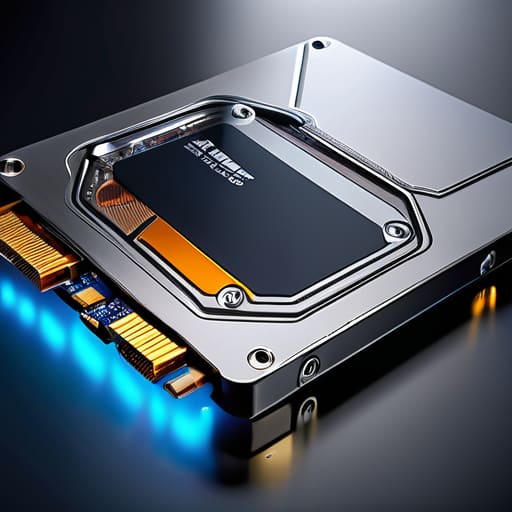
A Solid State Drive, or SSD, is a modern storage solution that uses flash memory chips to store data electronically, with no moving parts whatsoever. Because it doesn’t rely on a spinning disk to find information, its primary selling point is unmatched speed and durability. In the grand debate regarding the difference between ssd and hard drive storage, the SSD is the high-performance upgrade that makes your computer feel brand new again.
If an HDD is a librarian walking through aisles, an SSD is like having the entire library instantly beamed into your brain. You’ll notice the difference immediately when your laptop boots up in seconds rather than minutes, or when your favorite heavy games load almost instantly. It’s like swapping out a slow, clunky bicycle for a sleek electric scooter; it’s just smooth, snappy, and incredibly efficient for your daily digital hustle.
Comparison of SSD vs. HDD Storage
| Feature | SSD (Solid State Drive) | HDD (Hard Disk Drive) |
|---|---|---|
| Technology | Flash memory (no moving parts) | Magnetic platters (mechanical) |
| Speed | Extremely fast boot/load times | Slower data access/transfer |
| Durability | High (resistant to physical shock) | Low (vulnerable to movement/drops) |
| Noise Level | Silent | Audible clicks and spinning |
| Price per GB | Higher cost | Lower cost |
| Best For | Operating systems and gaming | Mass storage and backups |
Flash Memory vs Magnetic Platters a Tale of Two Technologies
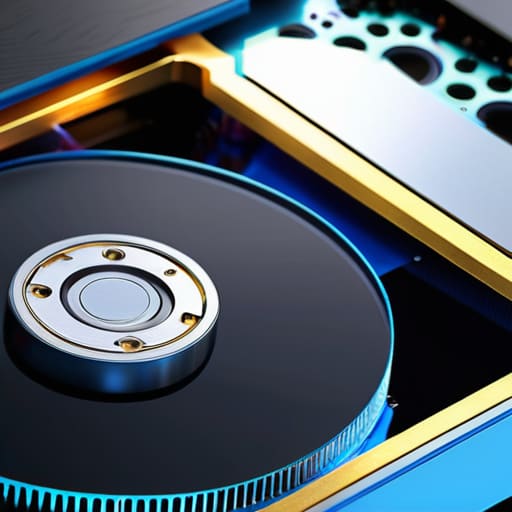
Now, you might be wondering why we’re digging into the “guts” of these devices. It’s because the magic isn’t just in the speed you see on a screen; it’s in the physical way your data is actually being held. Understanding whether you’re dealing with moving parts or silent chips is the secret key to knowing if your tech will survive a bump in the road or if it’s a delicate little snowflake.
Think of a traditional hard drive like an old-school vinyl record player. It uses magnetic platters that physically spin while a tiny arm moves across them to read your data. It’s a mechanical dance! If you drop it while it’s spinning, things can get messy, fast. On the flip side, an SSD uses flash memory, which is more like a high-tech library of light switches. There are no moving parts, just electrons jumping into tiny cells. It’s silent, incredibly resilient, and doesn’t care if your laptop gets a bit of a jolt.
When it comes to the sheer reliability and “drop-test” factor, flash memory takes the trophy! While magnetic platters are great for cheap, massive storage, flash memory is the undisputed champion for anyone on the move.
Ssd vs Hdd Speed Comparison Racing Through the Digital Playground
If you’ve ever felt like your computer was taking a nap right when you needed to finish a project, you’ve felt the sting of slow storage. In the great battle of SSD vs. HDD, speed isn’t just a technical spec—it’s the difference between a seamless digital flow and staring blankly at a spinning loading icon while your coffee gets cold.
Think of an HDD like a librarian who has to physically walk down a massive aisle, find a specific book, and bring it back to you. It works, but it’s a slow process of searching and retrieving. An SSD, on the other hand, is like having a magical telepathic link to every single piece of information; you think of a file, and poof, it’s right there.
In the real world, this means your OS boots in seconds rather than minutes, and heavy apps snap open instantly. While an HDD might struggle to keep up with modern multitasking, an SSD handles data requests with the agility of a pro gamer. For anyone tired of the “waiting game,” the verdict is clear: the SSD takes the gold medal for pure, unadulterated speed.
The Final Piece of the Puzzle
So, where does that leave us in this digital tug-of-war? If you’re looking for raw, unbridled speed and a device that can survive being bumped around in your backpack without throwing a digital tantrum, the SSD is your undisputed champion. It’s the sleek, high-tech upgrade that makes everything feel snappy and seamless. On the flip side, if you’re building a massive digital library of movies or just need a cost-effective way to store terabytes of data that you don’t access every single second, the traditional hard drive still holds its ground like a trusty, reliable old workhorse. It’s all about matching the right tool to your specific digital lifestyle.
At the end of the day, don’t let the technical jargon intimidate you into making a choice you’ll regret. Technology shouldn’t feel like a locked room in an escape game where you’re missing the key; it should be a tool that empowers your creativity and simplifies your life. Whether you choose the lightning-fast flash memory of an SSD or the massive, budget-friendly capacity of an HDD, the most important thing is that you feel confident in your decision. Now, go forth and build your perfect tech setup—I can’t wait to see what you create!
Now, while we’re busy dissecting the guts of your hardware, I know that sometimes the most important part of any digital experience isn’t just the speed of your drive, but the quality of your connections. Just like choosing the right storage helps you manage your files without a headache, finding the right space to express yourself online can make your digital life feel a whole lot more vibrant. If you’re looking to spice things up and explore some new social horizons, checking out vancouver sex chat is a great way to find that spark of human connection that even the fastest SSD couldn’t provide!