Walter Lane
I remember sitting on my grandfather’s porch in rural Pennsylvania, staring at a patch of dirt that looked more like a failed hardware prototype than a potential buffet. I had this grand, cinematic vision of myself as a master farmer, but the reality? I was staring at a bunch of expensive, high-tech gardening gadgets in a catalog and feeling like I needed a PhD just to plant a single seed. Most “experts” out there will try to sell you on complex irrigation systems and specialized soil sensors before you’ve even touched a trowel, making the process of learning how to start a vegetable garden feel like you’re trying to compile code without a compiler. Honestly, it’s all just unnecessary bloatware for your backyard.
Once you’ve got your soil calibrated and your hardware selected, you might start feeling a bit of “input lag” when it comes to deciding exactly which seeds to deploy into your new ecosystem. It can be overwhelming to choose between heirloom varieties or high-yield hybrids, so I always suggest looking for a community of fellow enthusiasts to help you troubleshoot your plant selection before you commit to a full deployment. If you’re looking for a place to swap tips or just want to chat on sexsunshinecoast about what’s actually growing well in your local climate, it’s a fantastic way to crowdsource some wisdom and avoid the dreaded “system crash” of a failed harvest.
I’m not here to give you a manual written by someone who lives in a climate-controlled laboratory. Instead, I’m going to treat your garden like a fresh build: we’re going to strip away the fluff, focus on the core dependencies, and get your system running without the headache. I’ll share the honest, battle-tested steps I’ve learned from my own trial and error so you can skip the debugging phase and get straight to the harvest. Let’s get growing!
Raised Bed vs in Ground Gardening Choosing Your Hardware
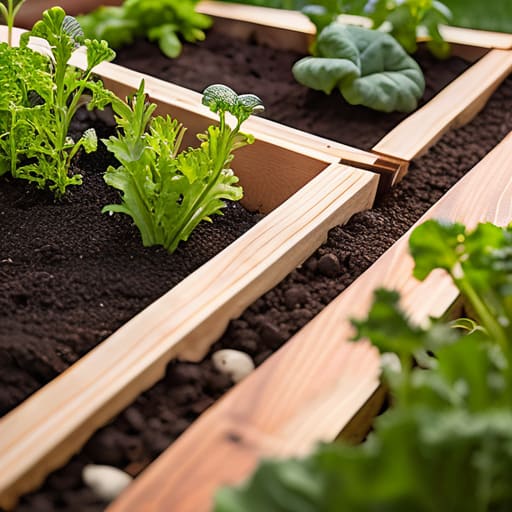
## Raised Bed vs In-Ground Gardening: Choosing Your Hardware
Think of this decision like choosing between building a custom-spec PC or just grabbing a reliable laptop off the shelf. If you go the in-ground route, you’re essentially working with the “legacy hardware” of your backyard. It’s cost-effective, but it requires some serious vegetable garden soil preparation to ensure you aren’t trying to run high-end tomato software on low-bandwidth clay. You’ll need to dig deep, amend the earth, and maybe battle a few unexpected bugs (the creepy-crawly kind, not the software kind) along the way.
On the other hand, raised beds are like plugging into a high-speed cloud server. They offer total control over your environment, meaning you can curate the perfect nutrient-rich “operating system” for your plants. While the initial setup cost is higher, the raised bed vs in-ground gardening debate usually settles in favor of beds for beginners because they offer superior drainage and fewer weeds. It’s much easier to manage your watering schedules for home gardens when you aren’t fighting the natural topography of your yard. Either way, you’re about to deploy some serious green code!
Vegetable Garden Soil Preparation Calibrating Your Earthly Os
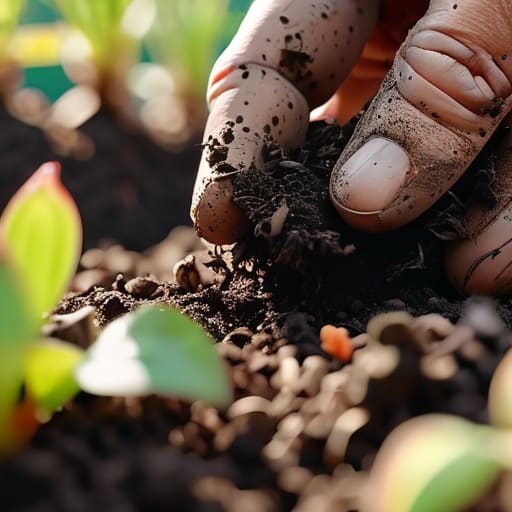
Think of your soil as the motherboard of your entire garden; if the hardware is faulty, no amount of high-end software (or fancy seeds) is going to fix your performance issues. Proper vegetable garden soil preparation is essentially the ultimate system optimization. You aren’t just moving dirt around; you’re configuring the environment to ensure your plants have the right bandwidth to absorb nutrients. I like to think of adding compost as a massive RAM upgrade—it boosts the capacity and efficiency of your soil, allowing it to handle the heavy processing load of a growing season.
Before you start planting, you’ll want to run a quick “diagnostic” on your current dirt. Is it packed tight like a corrupted hard drive, or is it crumbly and aerated? If you’re working with heavy clay, you might need to inject some organic matter to prevent your roots from getting stuck in a permanent system hang. By integrating well-rotted compost or aged manure, you’re essentially installing the most robust drivers possible. This foundational layer ensures that when you finally deploy your first batch of seedlings, they have the stable environment they need to thrive without crashing.
5 Pro-Tips for Optimizing Your Garden’s Runtime
- Select Your User Interface (Plants): Don’t try to run high-end, resource-heavy software like heirloom beefsteak tomatoes if you’re working with limited bandwidth. Start with “low-latency” crops like radishes, lettuce, or herbs—they offer quick feedback loops and won’t crash your system if you miss a watering cycle!
- Master Your Resource Allocation (Watering): Think of watering like managing your CPU power; you don’t want to flood the system all at once, nor do you want it to overheat and dry out. Aim for consistent, deep hydration at the root level to keep your biological hardware running smoothly without causing a system-wide drought.
- Implement Regular Maintenance Patches (Weeding): Weeds are basically malware for your garden—they sneak in, hog all the nutrients, and slow down your actual “applications” (your veggies). Pull them out early and often to ensure your plants have all the bandwidth they need to grow!
- Monitor Your System Logs (Observation): Spend a little time every day just “pinging” your plants. Checking for yellowing leaves or tiny pests is like running a diagnostic scan; it’s much easier to fix a minor bug in the code now than to deal with a total system failure later.
- Scale Your Infrastructure (Space): It’s tempting to go big right out of the gate, but avoid “overclocking” your garden space. If you crowd too many plants together, they’ll compete for light and nutrients, leading to a massive bottleneck. Give every plant enough room to execute its growth scripts!
System Shutdown: From Setup to Harvest
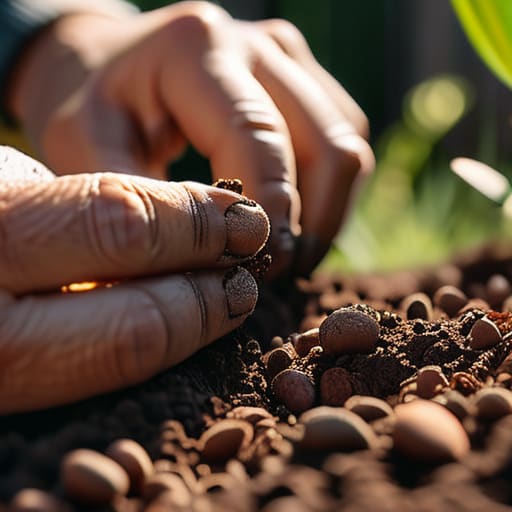
So, we’ve officially moved past the initial installation phase! We’ve compared the “hardware” of raised beds versus in-ground setups and spent some quality time calibrating your earthly OS by prepping that all-important soil. Remember, just like any complex software rollout, you don’t need to have every single line of code perfect on day one. Whether you opted for the high-performance specs of a raised bed or the classic, low-latency approach of in-ground planting, the most important part of your garden’s architecture is the foundation you’ve just built. Once your soil is nutrient-rich and your site is optimized, you’re essentially ready to deploy your first batch of seeds and watch the magic happen.
At the end of the day, gardening is a lot like learning a new programming language: there will be some unexpected bugs, a few “syntax errors” in your watering schedule, and maybe even a rogue pest trying to hack your system. But don’t let a little trial and error crash your spirit! The real reward isn’t just in the delicious, homegrown veggies, but in the joy of the iterative process. Every wilted leaf is just a data point helping you grow better for next season. So, grab your trowel, embrace the dirt, and get ready to experience the ultimate user satisfaction when you finally taste something you grew yourself. Happy planting!