Walter Lane
Ever tried to cook a simple omelet only to find yourself in a high-stakes game of Tetris, desperately hunting for a spatula buried under a mountain of mismatched Tupperware? I’ve been there, staring at my own cramped countertop like it was a glitchy piece of legacy code that refused to compile. Most “expert” guides will tell you that the secret to success is buying a dozen expensive, aesthetic acrylic bins that promise to revolutionize your life, but let’s be real: if your underlying system is cluttered, a few fancy containers are just a temporary patch. Finding the best ways to organize a small kitchen isn’t about buying more stuff; it’s about optimizing your available hardware.
I’m not here to sell you on a lifestyle makeover or a Pinterest-perfect fantasy that requires a professional organizer and a small loan. Instead, I’m going to help you debug your pantry and reconfigure your workspace using logic, efficiency, and a few clever hacks I’ve picked up from years of tinkering. We’re going to strip away the fluff and focus on functional architecture—creating a streamlined flow that actually works when the dinner rush hits. Let’s get to work and turn that culinary chaos into a perfectly optimized system!
Maximizing Cabinet Space Without the System Crash
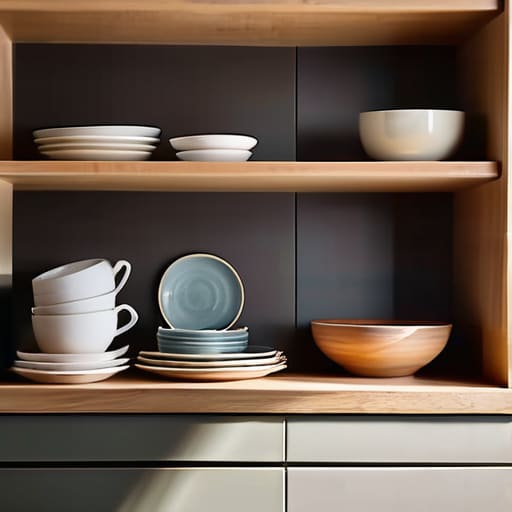
Think of your kitchen cabinets like a cluttered hard drive: if you just keep dumping files into the root directory without a folder structure, you’re never going to find that whisk when you actually need it! To prevent a total system crash, we need to implement some serious maximizing cabinet space protocols. I’m a huge fan of using tiered shelf risers—they’re essentially the “multi-threading” of the kitchen world, allowing you to stack plates, bowls, and mugs in layers rather than one giant, inefficient pile.
If your cabinets feel like they’ve run out of RAM, it’s time to look upward. I always tell my friends that the most overlooked real estate is the empty air between your shelves. By integrating vertical storage ideas for kitchens, such as pull-out wire baskets or even hanging spice racks on the inside of the cabinet doors, you’re essentially optimizing your cache. It’s all about reclaiming that wasted “buffer space” to make sure every square inch of your cabinetry is working at peak performance. No more digging through a digital haystack to find your spatula!
Smart Small Kitchen Storage Solutions for Tiny Spaces
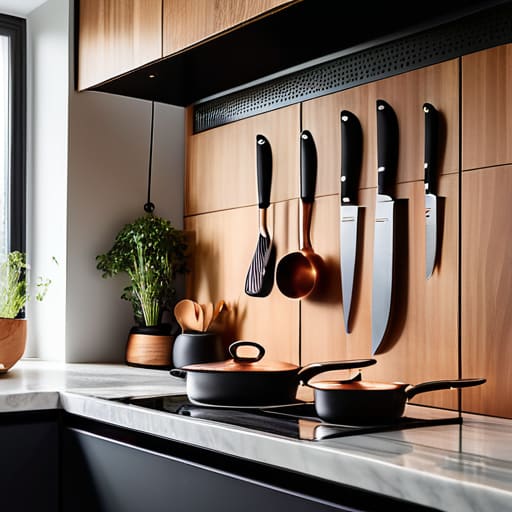
Now, if your cabinets are feeling a bit like a bloated hard drive—full of junk you haven’t accessed in years—it’s time to implement some vertical storage ideas for kitchens. Think of your walls as untapped server space; they’re just sitting there, waiting to be utilized! Magnetic knife strips or pegboards are absolute game-changers here. By moving your heavy hitters off the counter and onto the wall, you’re essentially offloading data to the cloud, freeing up your precious “local storage” (aka your precious prep area) for actual cooking.
If you’re working with a tiny pantry, don’t let it become a disorganized folder of expired snacks. I’m a huge fan of using tiered organizers or clear, stackable bins. This is one of those essential apartment kitchen organization tips that prevents the “hidden file” problem, where a bag of flour disappears into the dark abyss of the back corner. When everything is visible and indexed, your kitchen workflow runs much smoother. It’s all about creating a logical directory for your ingredients so you can find what you need without a full system reboot!
5 Quick Patches to Optimize Your Kitchen’s Performance
- Implement Vertical Scaling: If your horizontal counter space is reaching its capacity limit, it’s time to scale vertically! Think of your walls as extra RAM; use magnetic knife strips, hanging pot racks, or even pegboards to move your tools off the surface and into the “cloud” (or, you know, just higher up).
- Deploy Modular Organizers: Stop letting your pantry become a messy spaghetti code of half-open bags and loose spices. Use clear, stackable containers to modularize your ingredients. It makes “searching the database” for that specific jar of cumin way faster and prevents a total system crash when you’re mid-recipe.
- Optimize Your Cache with Lazy Susans: Those dark, deep corner cabinets are like legacy systems—hard to access and easy to forget about. Drop a Lazy Susan in there to act as a rotating interface, bringing your spices or oils right to the front so nothing gets lost in the background processes.
- Run a Periodic Garbage Collection: This is the big one, folks. Every few months, you need to run a “garbage collection” script on your pantry and fridge. Audit your inventory, delete the expired items, and clear out the stuff you know you’ll never actually use. A clean cache means a much smoother user experience!
- Utilize Under-Shelf Hardware: Don’t let the “dead space” beneath your shelves go to waste. You can install clip-on wire baskets that slide right onto your existing shelves. It’s like adding a lightweight plugin to your existing architecture—it adds functionality without requiring a massive hardware overhaul.
Final System Check: Your Kitchen, Upgraded
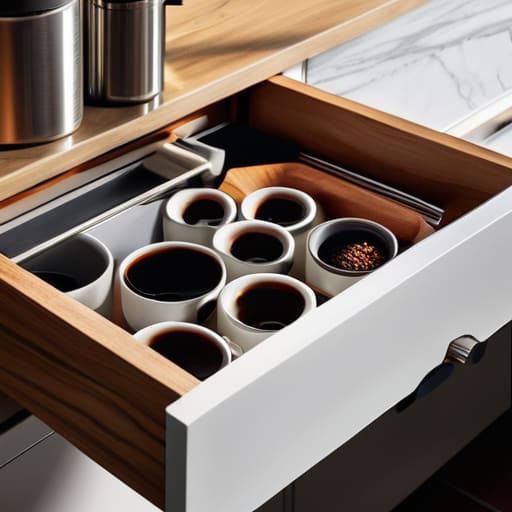
So, there you have it! We’ve successfully navigated the labyrinth of cabinet optimization and deployed some high-level storage solutions to keep your tiny kitchen from hitting a fatal error. By treating your pantry like a well-structured database and your countertops like a clean desktop interface, you’ve effectively minimized the clutter that was slowing down your culinary processing speed. Remember, whether you’re using vertical organizers to reclaim lost bits of space or implementing smart modular systems, the goal is to ensure your kitchen functions with maximum efficiency and zero lag time during your morning coffee rush.
At the end of the day, organizing a small space isn’t just about tidying up; it’s about designing a user interface that actually works for you. Don’t feel like you need to download a massive, expensive upgrade all at once. Start with one small “patch”—maybe just one drawer or one corner of the counter—and watch how much smoother your daily routine runs. Technology, much like a great kitchen, is all about making life easier, not more complicated. So, go ahead and reboot your space, embrace the process, and remember: even the most complex systems can be mastered one small, delightful step at a time!
Now, if you’re feeling like your kitchen’s operating system is still lagging despite all these upgrades, don’t panic—sometimes you just need a better way to connect with your environment and find some inspiration. Just like when I’m stuck on a particularly tricky level in a puzzle game, I find that stepping outside my usual routine can spark a total breakthrough. If you’re looking for a bit of a mental reset or a different kind of connection to recharge your batteries, checking out something like montreal sex chat can be a surprisingly effective way to break the monotony and find that social spark you’ve been missing. Think of it as a quick cache clear for your brain; once you’ve reconnected, you’ll be ready to tackle those cluttered countertops with a whole new perspective!