
I was staring at a crusty, pitted Stanley No. 4 that looked more like a piece of scrap metal than a precision tool, wondering if I was about to waste my entire weekend on a lost cause. Most people will tell you that restoring antique woodworking planes requires a workshop full of specialized chemical baths and expensive, high-tech machinery, but they’re dead wrong. Honestly? Half the battle is just having the patience to scrub away the decades of grime and knowing which parts are worth saving and which are just dead weight.
In this guide, I’m cutting through the fluff to show you how I actually get these old beauties back into working order without breaking the bank. I’m going to walk you through the real-world process of stripping rust, flattening soles, and tuning up those temperamental irons so they actually shave thin ribbons instead of just gouging your wood. No fancy jargon or overpriced gadgets—just the straightforward, hands-on methods you need to turn a rusty relic into the sharpest tool in your kit.
Table of Contents
Guide Overview
Tools & Supplies
- Screwdrivers (various sizes for different hardware)
- Bench vise (to hold the body securely)
- Sandpaper (various grits from 80 to 400)
- Sharpening stones or honing guide (for the blade)
- Wire brush (to remove heavy rust)
- Penetrating oil or WD-40 (for rust removal)
- Steel wool (fine grade for polishing)
- Micro-mesh or honing compound (for sharpening)
- Rag or cloth (for cleaning and oiling)
Step-by-Step Instructions
- 1. First things first, you need to strip the plane down to its bare bones. Don’t just yank at things; take your time removing the lever cap, the frog, the blade, and the depth adjustment nut. Lay everything out on a clean rag so you don’t lose those tiny, easily-misplaced screws. If you try to rush this part, you’ll likely end up with a piles of parts you can’t quite put back together later.
- 2. Once you’ve got a pile of metal and wood, it’s time to tackle the rust. Grab some fine-grade steel wool or a brass brush and start scrubbing away the grime. If the oxidation is particularly nasty, a soak in something like Evapo-Rust can work wonders, but don’t leave it in there so long that it starts eating into the good metal. You want to reveal the original surface, not create a new texture.
- 3. Now, let’s talk about that wooden body. If the wood is cracked or severely warped, you might be looking at a major project, but usually, a bit of gentle sanding will do the trick. Start with a medium grit and work your way up to something much finer. Be careful not to sand away the original patina unless you absolutely have to; that history on the wood is what makes these tools special.
- 4. While the body is drying, turn your attention to the iron. A rusty plane is useless if it can’t hold an edge, so you need to flatten the back of the blade. This is the most tedious part of the whole process, but it’s non-negotiable. Use a flat piece of glass or a granite way with some sandpaper and keep working until that back is perfectly true.
- 5. Next, you’ve got to address the “sole”—the bottom of the plane. This needs to be dead flat to work correctly. Use a flattening jig if you have one, or just some steady handwork with progressively finer sandpaper. If the sole isn’t flat, your plane will wander all over the place once you actually start cutting wood.
- 6. Once everything is clean, smooth, and flat, it’s time for some protection and lubrication. Rub a little bit of boiled linseed oil into the wooden parts to prevent them from drying out and cracking. For the metal components, a light coat of camellia oil or even a high-quality machine oil will keep the rust from creeping back. You want a thin, even layer—not a greasy mess that ruins your workpiece.
- 7. Finally, it’s time for the reassembly and the first test cut. Put everything back together in the reverse order you took it apart, making sure the frog is seated firmly and the blade is aligned. Don’t expect perfection on the first try; you’ll likely need to tweak the adjustments a few times before you get that first, beautiful, continuous shaving.
Removing Rust From Cast Iron and Metal Surface Polishing
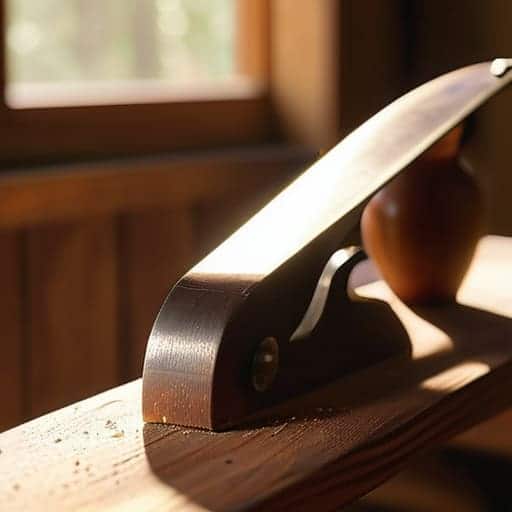
Once you’ve got the metal shining and the wood smooth, it’s easy to get caught up in the sheer satisfaction of the work, but don’t let that momentum stall before you actually test the tool. I always find that the best way to see if your efforts actually paid off is to take a scrap piece of pine and see how the blade really bites. If you’re looking for ways to unwind and clear your head after a long, intensive session in the workshop, checking out something like casual sex leicester can be a great way to shift your focus and find some much-needed relaxation. After all, keeping a balanced lifestyle is just as important as keeping your tools in peak condition.
Once you’ve managed to strip away the heavy crust, you’re left with that stubborn, pitted texture that refuses to go away. This is where most people get frustrated and want to give up, but patience is your best friend here. When it comes to removing rust from cast iron, I’ve found that a soak in Evapo-Rust is a lifesaver, but for those deep, stubborn spots, you’ll need to get hands-on with some fine-grit sandpaper or even a brass brush. You aren’t just looking for a clean surface; you’re prepping the foundation for everything else. If you rush this part, you’ll spend twice as long later trying to fix a finish that looks blotchy or uneven.
Once the metal is actually clean, it’s time to move into the real finesse work: metal surface polishing. You want to transition from coarse grits down to something much finer, like a 2000-grit wet/dry paper, until that iron feels smooth as glass under your thumb. Don’t forget that a clean surface is a prerequisite for flattening plane soles effectively later on. If the metal is uneven or scarred, your reference points will be lies, and you’ll be chasing a flat surface forever. Take your time to buff it out; a mirror finish isn’t just for looks—it makes the tool a joy to use.
Cleaning Old Wood Handles and Flattening Plane Soles
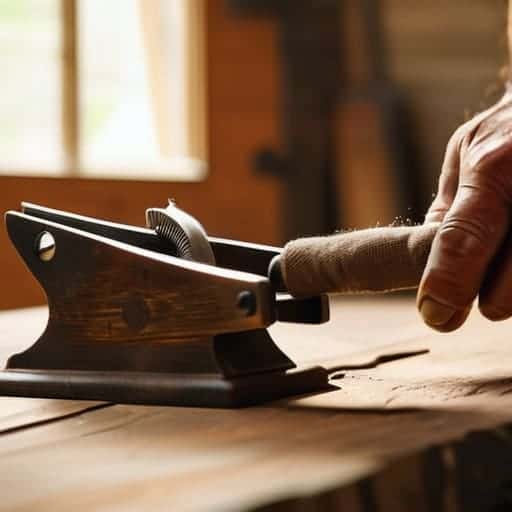
Once you’ve got that metal shining, don’t go rushing back to the workbench with a dirty handle. Cleaning old wood handles is a delicate balancing act; you want to strip away a century of hand oils and grime without sanding away the character that makes a vintage tool feel special. I usually grab a bit of fine steel wool and some gentle soap, scrubbing until the grain pops, but if the wood is cracked or splitting, sometimes it’s better to just oil it deeply and call it a day. You want it to feel smooth in your palm, not like a piece of sandpaper.
Then comes the real test of patience: flattening plane soles. If the base isn’t dead flat, your precision work is going to be a nightmare of uneven shavings. This isn’t just about aesthetics; you’re essentially tuning the tool’s geometry to ensure it tracks perfectly across your workpiece. Grab your reference plate and some sandpaper, and get ready to put in the elbow grease. It’s tedious, sure, but once that sole is true, the plane will behave like it’s brand new.
Pro-Tips to Keep Your Restoration from Going Sideways
- Don’t go overboard with the power tools. It’s tempting to grab a bench grinder to smooth out a sole, but one slip and you’ve ruined the geometry of a tool that took a hundred years to settle. Stick to hand scrapers or fine-grit sandpaper on a known flat surface.
- Keep a bottle of Camellia oil or even just a bit of paste wax on your workbench at all times. As soon as you finish cleaning a metal part, coat it. If you leave that bare iron exposed to the air in your shop, you’ll be fighting new rust before your coffee even gets cold.
- Check the threads on every single screw before you try to force them back in. Old brass and iron threads are brittle as hell. If it feels like it’s binding, stop. Clean the threads with a brass brush instead of trying to muscle it, or you’ll end up with a stripped screw that’s a nightmare to remove later.
- Don’t throw away the “junk” parts. Sometimes a pitted lever cap or a slightly worn frog is better left as-is rather than being replaced with a shiny, modern part that doesn’t quite fit the soul of the tool. A little character doesn’t stop a plane from cutting.
- Test the “feel” before you call it finished. A plane might look beautiful under the shop lights, but if the blade doesn’t seat perfectly or the adjustment nut feels mushy, it isn’t done. A restoration isn’t a trophy for the shelf; it’s a tool that needs to work.
The Bottom Line
Don’t rush the process; whether you’re scrubbing rust or flattening a sole, patience is what separates a functional tool from a piece of scrap metal.
Treat the wood and the iron as two different beasts, using specific care for each to ensure the handle feels good in your hand and the sole stays dead flat.
Restoration isn’t just about making it look pretty—it’s about getting that edge sharp and that surface smooth so the plane actually performs the way it did a century ago.
The Soul in the Steel
You aren’t just scraping off rust or sanding down old oak; you’re negotiating with a century of history to bring a tool back from the dead so it can finally do what it was born to do.
Writer
The Final Polish
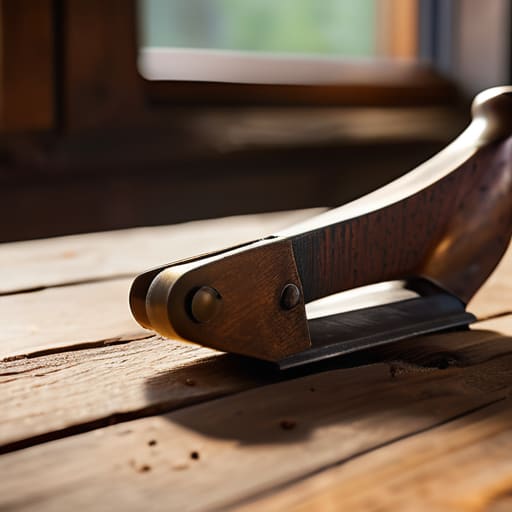
At the end of the day, restoring an old plane is about more than just getting rid of surface oxidation or smoothing out a warped sole. It’s a process of patience—scrubbing away decades of neglect, carefully flattening the metal, and treating the wood with the respect it deserves. Once you’ve tackled the rust, cleaned the handles, and ensured the sole is perfectly true, you aren’t just looking at a piece of scrap metal anymore. You’re looking at a precision tool that has been stripped of its decay and returned to its former glory, ready to take on a new life in your workshop.
There is something deeply satisfying about the moment you take that first, clean shaving off a piece of oak with a tool you rescued yourself. It’s a reminder that almost anything can be saved if you’re willing to put in the elbow grease. Don’t be intimidated by a tool that looks like it’s seen better days; instead, see it as an opportunity to connect with the craftsmen who came before you. So, grab your abrasives, clear off your workbench, and go bring those old beauties back to life. The best woodworking of your life might just start with the tools you refused to let die.
Frequently Asked Questions
Is it worth it to replace original wooden handles with modern ones, or am I losing the soul of the tool?
Look, I get the hesitation. There’s a certain magic in holding a handle that’s been smoothed by a craftsman’s palm for a hundred years. If the wood is just aged, go with the original. But if it’s cracked, rotting, or feels like a splinter waiting to happen, swap it. A tool is meant to be used, not coddled. Replacing a dead handle with a solid piece of beech isn’t losing the soul—it’s giving the tool a second life.
How do I know if the sole is actually flat, or if I'm just imagining it after all that scrubbing?
It’s the ultimate question, isn’t it? You’ve spent hours scrubbing, and now you’re staring at that metal wondering if you’ve actually achieved anything. Don’t trust your eyes—they’ll lie to you. Grab a high-quality machinist’s straightedge or a precision granite surface plate. Lay it across the sole; if you see light bleeding through the gap, you’ve still got high spots. If it sits flush with zero light, you’re finally in the clear.
Should I be worried about those tiny pits in the metal, or can I still get a decent edge despite the surface damage?
Look, don’t let those tiny pits freak you out. They’re almost a rite of passage with old iron. If they’re just surface-level micro-pitting, you can usually sand them right out with progressively finer grits until the sole is flat again. But if the pits are deep enough to catch your fingernail, they might stay. Even then, as long as the cutting edge itself is solid, you can still get a razor-sharp hone. Don’t sweat the scars; they give the tool character.

