Walter Lane
Ever walked into a room and felt like the air was just… clogged? I remember back in my software engineering days, I’d sit in a tiny, windowless cubicle for ten hours straight, and by 3:00 PM, my brain felt like it was running on a 56k modem. I was sluggish, foggy, and honestly, just feeling totally “glitchy.” I spent a fortune on those fancy, high-tech air purifiers that promised to turn my apartment into a mountain peak, only to realize they were basically just expensive desk ornaments with LED lights. It turns out, finding actual ways to improve indoor air quality isn’t about buying the most expensive gadget on the market; it’s about understanding the systemic bugs in your living space.
I’m not here to sell you a subscription to a “smart” air monitor that costs more than my first car. Instead, I want to help you debug your environment using common sense and a few clever hacks. We’re going to skip the marketing fluff and dive straight into the practical, low-cost tweaks that actually work. Think of this as your personal patch notes for a fresher, cleaner home—no jargon required, just real-world solutions that will help you breathe a whole lot easier.
Hunting Down Common Indoor Air Pollutants

Before we can start optimizing our home’s “operating system,” we have to identify the bugs in the code. Think of your living space as a complex network; if there’s a leak or a rogue process running in the background, your entire system starts to lag. We’re talking about common indoor air pollutants that act like malware for your lungs. Some of these are the obvious culprits, like dust bunnies or pet dander, but others are much more stealthy. I’m talking about those sneaky chemical vapors—often called VOCs—that leak out of your new furniture, cleaning supplies, or even that fancy scented candle you bought to make the place feel “cozy.”
It’s a bit like debugging a legacy codebase; you can’t fix the errors until you actually find where they’re originating. You might find that your kitchen is a hotspot for nitrogen dioxide, or perhaps your bedroom is secretly hosting a collection of unwanted allergens. Identifying these sources is the first step in removing VOCs from home environments and ensuring your indoor atmosphere isn’t running on outdated, “dirty” data. Once we pinpoint the culprits, we can move on to the actual patches and updates!
The Magic of Hepa Air Purifier Benefits
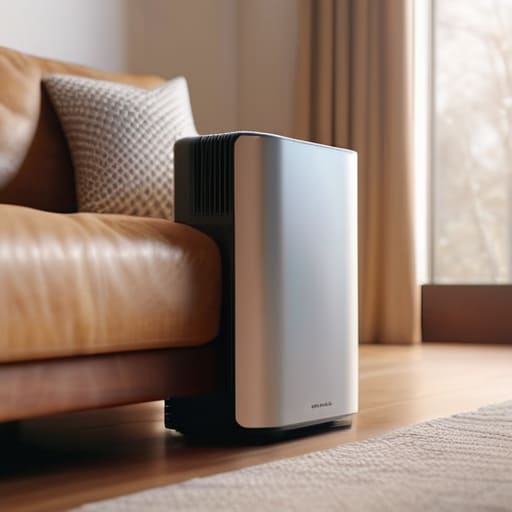
Think of a HEPA air purifier as the ultimate hardware upgrade for your living room. If your lungs are the CPU, then the air you’re breathing is the data stream—and right now, that stream is full of “malware” in the form of dust, pet dander, and pollen. By deploying a high-quality filter, you’re essentially installing a robust firewall for your respiratory system. The real HEPA air purifier benefits kick in when you realize these devices don’t just move air around; they actively intercept and trap microscopic particles that would otherwise crash your internal systems.
It’s not just about the big stuff, though. While adding some natural air purifying plants can add a lovely aesthetic touch (and a bit of leafy “code” to your decor), a HEPA filter is much more efficient at reducing household allergens that are too small for a leaf to catch. It’s like running a deep system scan to clear out the cache of invisible irritants. Once you get the settings dialed in, you’ll notice that breathing feels less like a struggle through a laggy connection and more like a high-speed, seamless download.
5 Quick Hacks to Debug Your Home’s Atmosphere
- Open the Windows for a System Reboot: Think of your home’s air like a browser with way too many tabs open—it gets sluggish and heavy. Crack a window for fifteen minutes a day to let some fresh air in and flush out those stale, stagnant particles. It’s the simplest way to clear your “cache” and get things flowing again!
- Upgrade Your Green Hardware: Houseplants aren’t just for aesthetic vibes; they’re like living, breathing air filters. Bringing in a few leafy friends like a Snake Plant or a Peace Lily can help absorb certain toxins, acting like a natural, low-power background process that cleans your air while you sleep.
- Manage Your Humidity Settings: If your home feels like a tropical rainforest, you’re inviting mold to move in and start its own uninvited server farm. Keep your humidity between 30% and 50% to prevent dust mites and mold spores from running their own high-bandwidth operations in your corners.
- Switch to Low-VOC “Software”: Many common household cleaners and scented candles are packed with Volatile Organic Compounds (VOCs)—think of them as malware for your lungs. Opt for fragrance-free or natural cleaning products to avoid injecting unnecessary “bugs” into your indoor environment.
- Vacuum with a High-Efficiency Filter: If your vacuum is just kicking dust back up into the air, you’re basically just shuffling the deck rather than cleaning it. Use a vacuum equipped with a HEPA filter to ensure that when you’re cleaning, you’re actually deleting the dust from the room rather than just re-uploading it to the air!
The Final Debug: Breathing Easy
So, we’ve successfully navigated the complex source code of your home’s atmosphere! From hunting down those pesky pollutants hiding in the corners like unoptimized background processes, to deploying a high-performance HEPA purifier to act as your personal system firewall, you now have the ultimate toolkit. Remember, improving your air quality isn’t about achieving a perfect, sterile environment overnight; it’s about incremental updates. Whether you’re opening a window for a quick system refresh or upgrading your filtration hardware, every small tweak helps debug your living space and keeps your internal hardware—you know, your lungs—running at peak performance.
At the end of the day, think of your home as your most important operating system. You wouldn’t let a bunch of malware and junk files slow down your favorite gaming rig, so don’t let poor air quality drag down your daily uptime! Technology can sometimes feel like a labyrinth, but when we apply that same logic to our physical surroundings, everything becomes much more manageable. I truly believe that once you take control of your environment, you’ll find you have more bandwidth for what actually matters: living, breathing, and thriving. Now, go ahead and hit that “refresh” button on your home’s air—you’ve totally earned it!
Now, if you’re feeling a bit overwhelmed by all these variables—and trust me, trying to balance humidity, filtration, and ventilation can feel like trying to debug a massive legacy codebase—don’t panic! Sometimes the best way to tackle a complex system is to find a reliable benchmark or a community that knows the ropes. If you want to dive deeper into how different environments impact your well-being, you can see for yourself how much a little bit of targeted optimization can change your daily flow. It’s all about finding those small, high-impact tweaks that prevent your personal ecosystem from crashing!