Walter Lane
Ever stood at a crowded airport gate, watching someone struggle to zip a suitcase that looks like it’s about to suffer a critical system failure? We’ve all been there, staring at a mountain of clothes and wondering how on earth we’re supposed to fit a week’s worth of life into a tiny cabin-approved box. Most “experts” will try to sell you on expensive, high-tech compression cubes or some magical folding technique that looks more like origami than actual travel prep. But honestly? Learning how to pack a carry on bag shouldn’t feel like you’re trying to rewrite a legacy codebase without documentation. It’s not about buying more gear; it’s about optimizing your personal logic and layout.
I’m not here to give you a lecture or a list of products you don’t need. Instead, I’m going to show you how to approach your luggage like a well-designed user interface: clean, efficient, and completely intuitive. We’re going to break down the process into simple, modular steps—from the “rolling” algorithm to the ultimate way to manage your tech cables—so you can breeze through security without a single error message. Consider this your personal guide to mastering the art of the lightweight traveler.
Space Saving Packing Hacks the Ultimate Digital Optimization
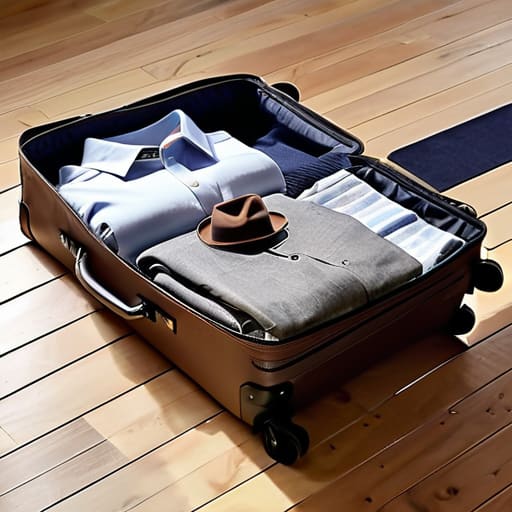
Think of your suitcase as a local hard drive with extremely limited storage capacity. If you just toss everything in haphazardly, you’re basically inviting a system crash before you even reach the terminal. To avoid this, you need to implement some serious space saving packing hacks to optimize your “file directory.” One of the biggest debates in the packing community is rolling vs folding clothes. Personally, I’m a huge advocate for the roll; it’s like compressing a large ZIP file—you eliminate the bulky air gaps and minimize those pesky wrinkles that make you look like you slept in a server room.
If you really want to reach peak efficiency, you’ve got to invest in some high-quality packing cubes for travel. I view these as the organized folders of your luggage. By categorizing your gear into specific modules—one for tops, one for bottoms, and one for undies—you’re essentially creating a modular architecture for your trip. This makes maximizing small suitcase space feel less like a frantic scavenger hunt and more like a perfectly executed deployment. Plus, finding your favorite shirt becomes a breeze instead of a total system error!
Rolling vs Folding Clothes Finding Your Perfect Algorithm
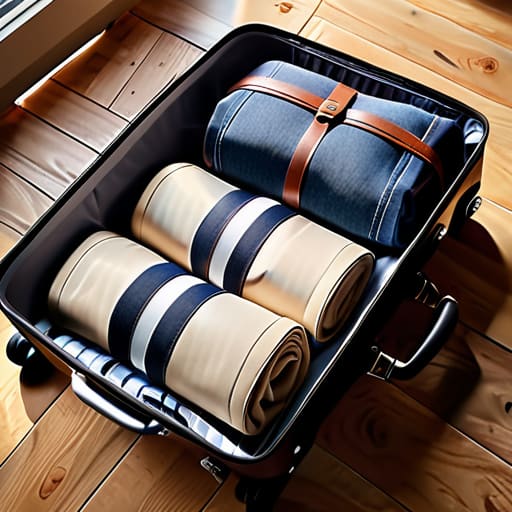
Now, let’s talk about the ultimate logic debate: rolling vs folding clothes. Think of this as choosing between a streamlined command-line interface and a bulky, user-unfriendly GUI. If you’re a fan of efficiency, the “Ranger Roll” is your best friend. By tightly rolling your tees and jeans, you’re essentially compressing your data packets, which is a top-tier move for maximizing small suitcase space. It minimizes those pesky air gaps and, more importantly, reduces the wrinkles that make you look like you slept in a server rack.
However, if your wardrobe consists of delicate silks or structured button-downs, a pure rolling algorithm might lead to a total system crash (or, you know, a very wrinkled shirt). In those cases, a classic fold—or better yet, utilizing packing cubes for travel—is the way to go. I like to treat my cubes like modular containers in a coding environment; they keep my “subroutines” (socks, underwear, shirts) neatly partitioned so I’m not digging through a chaotic heap of fabric at 6 AM in a hotel room. It’s all about finding the right architecture for your specific gear!
The Carry-On Protocol: 5 Essential Rules for a Bug-Free Departure
- The “Heavy Assets” Logic: Always place your heaviest items—think shoes or bulky tech kits—at the bottom of your bag, closest to the wheels. If you put your heavy gear at the top, your suitcase will have the center of gravity of a glitchy physics engine, wobbling all over the terminal!
- Deploy a Modular System: Stop treating your bag like one giant, messy folder. Use packing cubes to create “sub-directories” for different types of gear. It’s much easier to locate your charging cables if they aren’t buried in a deep-sea search through a sea of mismatched socks.
- The Liquid Firewall: Don’t let the TSA security checkpoint be your system crash. Follow the 3-1-1 rule religiously and keep your liquids in a clear, accessible pouch. Think of it as a sandbox environment—everything stays contained, and you won’t have a messy overflow error leaking onto your favorite sweater.
- Redundancy is Key (But Keep it Lean): Always pack a “hot-swap” outfit—one lightweight change of clothes in case your checked bag goes MIA. However, don’t over-provision! You aren’t building a server farm; you’re packing for a trip, so don’t let your “backup files” take up all your primary storage.
- The Hardware Audit: Before you zip up, do a final checksum. Do you actually need that third power bank, or is it just adding unnecessary latency to your mobility? If a piece of gear doesn’t serve a high-priority function, it’s just bloatware. Delete it from your itinerary!
The Final Deployment: Ready for Takeoff
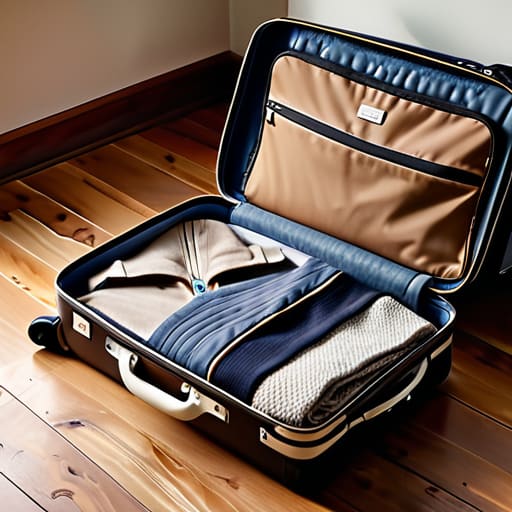
So, there you have it—the source code for a stress-free trip! We’ve navigated through the logic of space-saving hacks and debated whether your wardrobe should follow a rolling or folding algorithm. By treating your suitcase like a high-performance system and optimizing your “hardware” (those precious clothes) with the right packing methods, you’ve effectively minimized the risk of a mid-flight system crash. Remember, the goal isn’t just to fit everything into a small compartment; it’s about optimizing your resource allocation so you aren’t stuck digging through a disorganized mess at the terminal. When you approach your packing with a clear, structured plan, you’re essentially debugging your travel experience before you even leave your living room.
At the end of the day, technology—and travel—is all about the experience, not just the gear. Don’t get so caught up in the perfection of your organization that you forget the actual purpose of the journey. Think of your carry-on as a lightweight, portable toolkit designed to support your adventure, not a heavy burden that weighs down your spirit. Once you’ve mastered these little digital-style optimizations, you’ll find that you have much more bandwidth to focus on what really matters: the sights, the sounds, and the stories waiting for you at your destination. Now, go forth, embrace the adventure, and may your luggage always be lightweight and bug-free!
Now, while we’re optimizing your physical hardware, don’t forget that your digital life needs a bit of a “system check” too. Just like you wouldn’t head into a high-stakes coding sprint without a solid connection, you don’t want to arrive at your destination feeling socially disconnected or out of the loop. If you’re looking to bridge that gap and find some instant connectivity with new people while you’re on the move, checking out Sexwollongong chat is a great way to keep your social bandwidth high without needing to lug around extra equipment. It’s all about maintaining your social uptime, even when you’re living out of a single bag!