 Walter Lane
I was staring at my favorite pair of worn-out denim jeans last Tuesday, feeling that familiar pang of “system failure” as a massive hole opened up right near the knee. My first instinct? Toss them in the bin and order a new pair online—the ultimate low-effort patch for a high-waste lifestyle. But then I remembered a little trick I’d picked up while tinkering with old hardware: sometimes, the best way to fix a glitch isn’t to replace the whole system, but to upgrade the interface. That’s exactly where Zero-waste textile mending (Sashiko) comes in. Instead of hiding the damage, this Japanese technique lets you celebrate it, turning a structural error into a beautiful, geometric masterpiece that actually makes your clothes stronger than they were before.
In this guide, I’m stripping away the intimidating jargon to show you how to debug your wardrobe with ease. I won’t bore you with endless, complex patterns; instead, I’ll give you the essential toolkit and logic needed to master basic running stitches. We’ll walk through how to turn those embarrassing tears into intentional art, ensuring your favorite threads stay out of the landfill and in your rotation. Let’s dive in and start reprogramming your relationship with fashion!
Table of Contents
- Step-by-Step Instructions
- Upcycling Old Clothing With Beautiful Japanese Embroidery Patterns
- Mastering Hand Sewing Techniques for Denim and Fabric Holes
- Debugging Your Fabric: 5 Pro-Tips for a Seamless Sashiko Patch
- The TL;DR: Your Patchwork Cheat Sheet
- Debugging Your Wardrobe
- Patching the Future, One Stitch at a Time
- Frequently Asked Questions
Guide Overview
Tools & Supplies
- Sashiko needle (extra long and thick)
- Thimble (metal or leather for heavy fabric)
- Embroidery hoop (to keep fabric taut)
- Fabric chalk or water-soluble pen (for marking patterns)
- Sashiko thread (matte cotton embroidery thread)
- Scrap fabric (natural fiber patches for reinforcement)
- Existing garment (the item needing repair)
Step-by-Step Instructions
- 1. First things first, you need to gather your “hardware.” Think of this as setting up your dev environment before you write a single line of code. You’ll need some sturdy cotton fabric (scraps work great!), a needle that can handle a bit of tension, and some Sashiko thread—or even just regular embroidery floss if you’re feeling adventurous. Grab a piece of chalk or a water-soluble pen to map out your design architecture on the fabric.
- 2. Now, let’s talk about the “patching” phase. If you have a hole in your favorite jeans, you can’t just leave it unhandled like a 404 error. Take a piece of scrap fabric and place it directly underneath the hole. This serves as your structural foundation, ensuring that when we start stitching, we aren’t just sewing air, but actually reinforcing the integrity of the garment.
- 3. Time to execute your first “script”: the pattern. Using your chalk or water-soluble pen, draw a series of parallel lines or a grid across the patch and the damaged area. I like to think of this as plotting the coordinates for our stitches. If you’re a beginner, stick to simple straight lines—don’t try to run a complex algorithm on your first day!
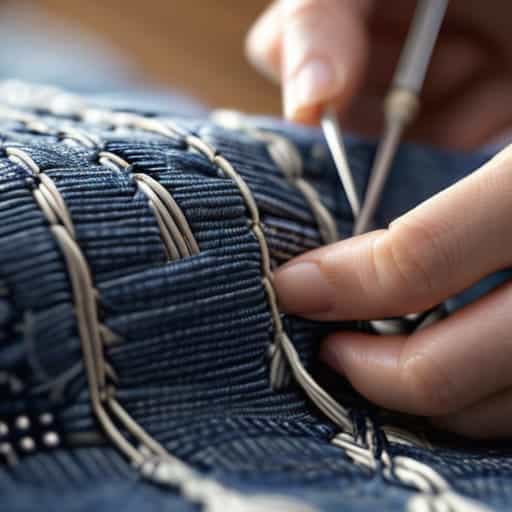
- 4. Grab your needle and start your first stitch. The secret sauce to Sashiko is the rhythm. Unlike standard sewing where you might do a continuous thread, Sashiko uses a “running stitch.” You’ll want to pass the needle through the fabric, pull it through, and then move forward a bit before diving back in. Aim for consistent spacing to keep your pattern looking clean and professional rather than a chaotic glitch.
- 5. As you move along, keep an eye on your tension. You don’t want to pull the thread so tight that the fabric puckers like a poorly optimized webpage, but you also don’t want it so loose that it looks like a loose connection. It’s all about finding that sweet spot of tension that keeps everything snug and secure.
- 6. Once you’ve covered your designated area, it’s time to “commit your changes” by knotting the thread. Instead of a bulky knot that might irritate your skin, try to weave the tail of your thread back through the existing stitches a few times to secure it. This is your final deployment, making sure your hard work stays intact through many more laundry cycles.
- 7. Finally, give your work a quick “system check.” If you used a water-soluble pen, rinse the area with a little cool water to vanish those guide lines. Take a moment to admire your handiwork! You haven’t just fixed a piece of clothing; you’ve upgraded its aesthetic and given it a whole new layer of digital-age storytelling.
Upcycling Old Clothing With Beautiful Japanese Embroidery Patterns
Now, if you’re feeling a bit like your brain has hit a 404 error while trying to visualize these intricate geometric patterns, don’t panic—we’ve all been there! Sometimes you just need a little extra inspiration to get your creative bandwidth flowing. I’ve found that when I’m stuck in a loop, browsing through unique community insights or local lifestyle guides can be a total system reboot for my creativity. For instance, if you’re looking to branch out from your sewing nook and explore different vibes, checking out something as unexpected as sex in coventry might just give you that weird, wonderful spark of curiosity needed to approach your next upcycling project from a completely fresh angle.
Think of upcycling old clothing as the ultimate hardware upgrade for your wardrobe. Instead of hitting ‘delete’ on a pair of jeans just because they’ve developed a little bit of “data corruption” in the form of a tear, you’re essentially rewriting their code. Using various Japanese embroidery patterns allows you to treat those imperfections not as errors, but as unique design features. It’s like adding a custom skin to a character in a game—suddenly, that old, faded jacket isn’t just “worn out”; it’s a bespoke piece of wearable art that tells a story.
If you’re looking to level up, I highly recommend experimenting with specific hand sewing techniques for denim. Since denim is a bit of a heavy-duty operating system, it can handle some serious structural reinforcement. You can use contrasting thread colors to make your repairs pop, turning a simple patch into a high-definition visual statement. This approach to eco-friendly fashion maintenance ensures your favorite pieces stay in your rotation longer, preventing them from ending up in a landfill and helping you maintain a much more sustainable digital—and physical—footprint!
Mastering Hand Sewing Techniques for Denim and Fabric Holes
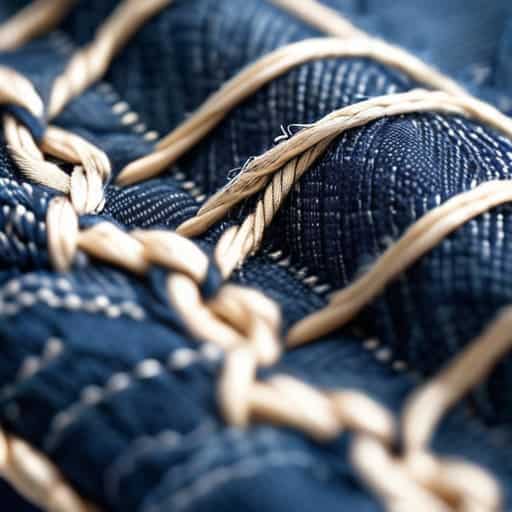
Now, let’s talk hardware. If you’re looking at a gaping hole in your favorite pair of jeans, don’t panic—think of it as a system error that just needs a little manual patch. When you’re diving into hand sewing techniques for denim, the fabric can be a bit of a stubborn user interface. It’s thick, it’s tough, and it doesn’t always want to play nice with a standard needle. My pro tip? Use a heavy-duty embroidery needle and don’t be afraid to apply a little “processing power” (read: muscle) to push through those dense fibers. If the denim feels like it’s resisting your commands, you might need to switch to a slightly larger needle to avoid any thread breakage glitches.
Once you’ve got the strength down, it’s all about the precision of your code—or in this case, your stitches. When you’re repairing fabric holes with thread, I like to treat the area underneath the hole like a backup drive. Place a scrap of contrasting fabric behind the tear to provide a stable foundation. This way, your stitches aren’t just floating in a void; they have a solid architecture to latch onto. It turns a messy tear into a deliberate design choice, making your eco-friendly fashion maintenance look less like a quick fix and more like a planned upgrade!
Debugging Your Fabric: 5 Pro-Tips for a Seamless Sashiko Patch
- Think of your thread like a data stream—consistency is key! If your tension is too tight, you’ll “crash” the fabric by puckering it; if it’s too loose, your pattern will look like a corrupted file. Aim for that sweet, steady rhythm to keep your stitches looking crisp.
- Don’t let a tiny hole become a system failure. The beauty of Sashiko is that it’s preventative maintenance. If you see a small fray starting, patch it immediately! It’s much easier to fix a minor “bug” in your denim than to try and reconstruct a garment that’s completely lost its integrity.
- Choose your “hardware” wisely. While you can use any needle, a long, sharp Sashiko needle is like upgrading from a dial-up connection to fiber optic—it makes the whole process smoother and more efficient. Pair it with heavy-duty cotton thread to ensure your patch can handle the real-world processing power of daily wear.
- Use your patterns as a roadmap, not a rigid script. While following a geometric design is part of the fun, don’t be afraid to “open-source” your creativity. If a hole is in an awkward spot, let the pattern flow around it organically. Sometimes the most beautiful designs come from adapting to the unexpected!
- Layering is your best friend for structural integrity. If you’re fixing a particularly thin area, think of it like adding a backup server. Place a sturdy scrap of fabric underneath the hole before you start stitching; this “underlay” provides the necessary support to prevent the repair from becoming a new point of failure.
The TL;DR: Your Patchwork Cheat Sheet
Think of Sashiko as a way to “debug” your wardrobe; instead of hitting delete on a torn shirt, you’re just installing a beautiful, structural patch that makes the garment even better than the original version!
Don’t let the fear of a “syntax error” stop you—hand sewing is all about the rhythm, and even if your first few stitches look a bit glitchy, they add to the unique, human storytelling of your upcycled piece.
Sustainability is the ultimate upgrade; by mending your clothes with these patterns, you’re effectively extending the lifecycle of your textiles and reducing your environmental footprint, one stylish stitch at a time.
Debugging Your Wardrobe
“Think of Sashiko as the ultimate hardware upgrade for your favorite threads; instead of letting a tear crash your entire outfit, you’re just patching the code with beautiful, intentional stitches that turn a glitch into a feature!”
Walter Lane
Patching the Future, One Stitch at a Time
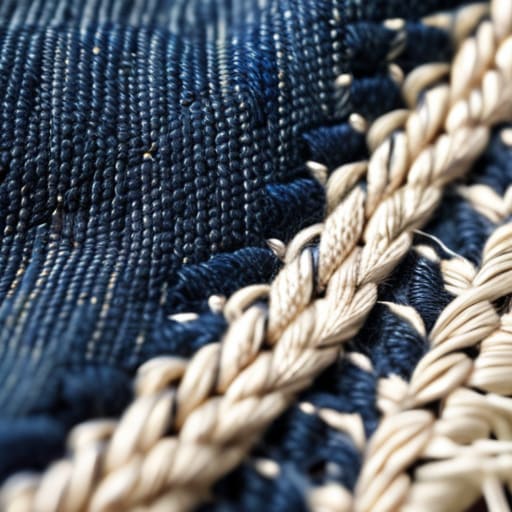
So, there you have it! We’ve officially moved from the “system error” of a gaping hole in your jeans to a fully functional, beautifully upcycled masterpiece. By mastering those basic hand-sewing techniques and embracing the geometric elegance of Sashiko patterns, you’ve essentially performed a hardware upgrade on your entire wardrobe. We’ve covered everything from choosing the right thread to turning a simple tear into a piece of wearable art. Remember, mending isn’t just about fixing a glitch in your fabric; it’s about reprogramming your relationship with consumption and proving that “broken” doesn’t mean “obsolete.”
As you put down your needle and thread, I want you to look at your mended clothes a little differently. Think of every stitch as a line of code in a much larger, more sustainable program we’re all writing together. Every time you choose to repair instead of replace, you’re effectively debugging the cycle of fast fashion and opting for a more intentional way of living. It might feel like a small, manual task in a high-speed digital world, but these tiny, tactile victories add up to a massive impact. So, keep tinkering, keep creating, and never be afraid to show off those beautiful, intentional scars on your favorite gear!
Frequently Asked Questions
I've got the patterns down, but what kind of thread should I actually use so my repairs don't just "crash" after the first wash?
Think of your thread as the “source code” for your repair—if it’s buggy, the whole system fails! For Sashiko, you really want to avoid standard sewing thread; it’s too thin and prone to “system crashes” during a wash cycle. Instead, hunt down dedicated Sashiko thread or a sturdy cotton embroidery floss. It’s thicker, matte, and built for durability, ensuring your beautiful new patterns don’t undergo a forced shutdown the first time they hit the laundry!
Is Sashiko strictly for heavy-duty stuff like denim, or can I "patch" my lighter cotton shirts without making them feel like a suit of armor?
Great question! Think of Sashiko like adjusting your code: you don’t need a massive patch for a tiny syntax error. While denim is the “heavy-duty server” of fabrics, you can absolutely use Sashiko on lighter cottons. The trick is to use a finer thread and smaller, more delicate stitches. It’s less about building a suit of armor and more about adding a subtle, decorative layer of “logic” to your favorite breezy shirt!
If I mess up a stitch pattern halfway through, is it a total system failure, or is there a way to "debug" the mistake without starting from scratch?
Don’t panic! We’re talking about a minor logic error, not a total system crash. Think of a misplaced stitch as a little bug in your code. You don’t need to format your entire hard drive (or rip out the whole garment) to fix it. Just use a seam ripper to “undo” the last few lines of code—the messy stitches—and re-run the pattern. Sometimes, even a “buggy” stitch can be integrated as a unique feature!


 DigiDummysAdmin