
I still remember the day I discovered the joy of Growing Microgreens Indoors – it was like a whole new world of flavors and nutrition opened up for me. I had always thought that cultivating my own microgreens would be a complicated, space-intensive process, but boy was I wrong. The truth is, anyone can start growing these nutrient-dense greens in the comfort of their own home, regardless of space or experience.
In this article, I’ll share my personal, tried-and-true methods for Growing Microgreens Indoors without any of the hype or unnecessary complexity. You’ll learn how to choose the right equipment, select the best varieties for your taste, and troubleshoot common issues that may arise. My goal is to provide you with honest, practical advice that will have you harvesting your own delicious microgreens in no time, and enjoying the numerous health benefits that come with them.
Table of Contents
Guide Overview: What You'll Need
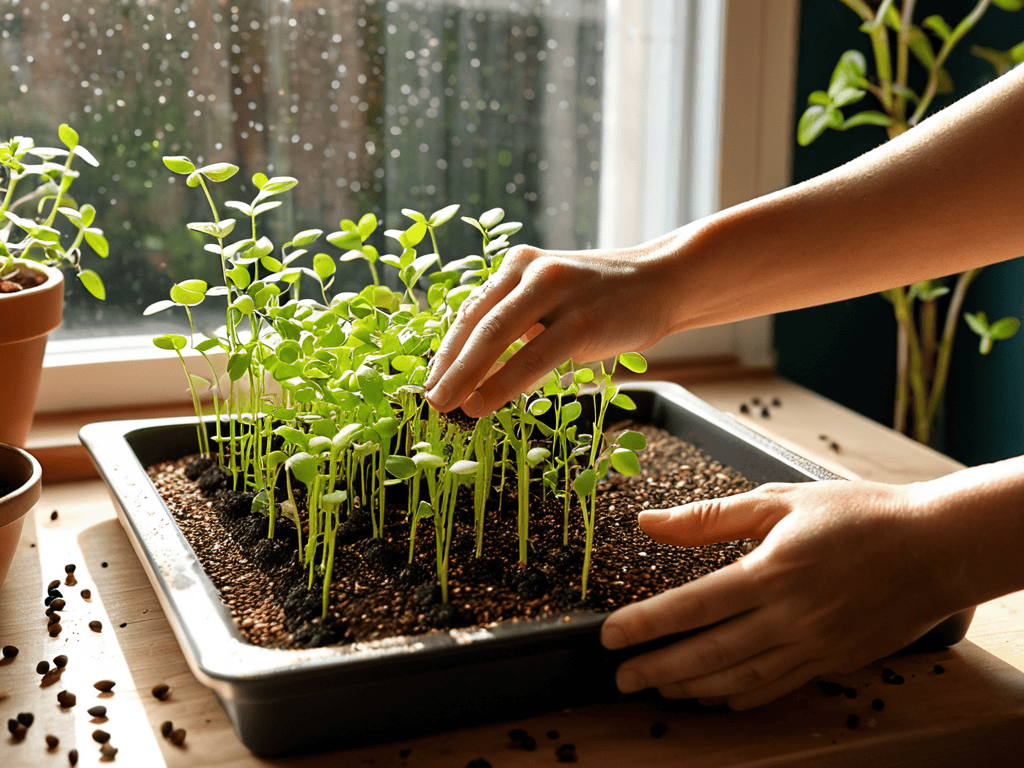
Total Time: 1 hour 30 minutes
Estimated Cost: $20 – $40
Difficulty Level: Easy
Tools Required
- Seeds starter tray (10 inches x 20 inches)
- Watering can (with small spout)
- Grow lights (optional, but recommended)
- Thermometer (for temperature monitoring)
- Humidity gauge (for humidity monitoring)
Supplies & Materials
- Microgreen seeds (various types, e.g., broccoli, kale, radish)
- Potting soil (specifically designed for indoor gardening)
- Fertilizer (balanced, water-soluble)
- Pruning scissors (for harvesting)
- Growing medium (e.g., peat moss, coconut coir)
Step-by-Step Instructions
- 1. First, choose your microgreen seeds – this is the most exciting part, as there are countless varieties to pick from, each with its unique flavor and texture. Make sure to select seeds specifically labeled for microgreen growth, as they’re bred for their robust flavor and vibrant colors.
- 2. Next, prepare your growing medium – you can use a good quality potting soil or a soilless mix, whichever you prefer. The key is to have a medium that retains moisture but also drains excess water well, preventing waterlogged soil that can lead to mold and poor germination.
- 3. Now, select your growing container. It could be a small pot, a tray, or even a reclaimed wooden box – the possibilities are endless, and it’s a great chance to get creative. Just ensure it has drainage holes to prevent water from accumulating.
- 4. Fill your chosen container with the prepared growing medium, leaving about half an inch at the top for watering. Then, sow your seeds evenly across the surface. The sowing density can vary depending on the type of microgreen, but a general rule of thumb is to sow them densely, as they won’t be growing for long.
- 5. After sowing, cover the seeds with a thin layer of your growing medium. This helps maintain consistent moisture, which is crucial for germination. Gently water the soil, making sure not to wash away the tiny seeds.
- 6. Provide your microgreens with the right conditions. Most varieties require indirect sunlight and consistent temperatures between 60-70°F (15-21°C). Avoid placing them near drafts or extreme temperatures, which can stress the young plants.
- 7. Keep the soil consistently moist but not waterlogged. You can cover the container with a clear plastic bag or a cloche to maintain humidity and promote germination, especially in dry environments. Check on your microgreens daily, and once they’ve reached 1-3 inches in height, depending on the variety, they’re ready to harvest.
- 8. To harvest, simply use scissors to cut the microgreens just above the soil line. You can use them immediately, or store them in the refrigerator to keep them fresh for a few days. Regular harvesting also encourages the growth of new shoots, allowing you to enjoy multiple crops from the same sowing.
Growing Microgreens Indoors

When it comes to indoor microgreen farming, one of the most important things to consider is the lighting. Most microgreens require a significant amount of light to grow, so it’s essential to place them near a sunny window or invest in a good grow light. This will not only help them grow faster but also ensure they have the best possible flavor and texture. Microgreen nutrition benefits are numerous, and with the right lighting, you can maximize their nutritional value.
As you continue on your microgreen-growing journey, you’ll likely find yourself eager to explore more ways to incorporate these nutrient-dense greens into your daily meals. For inspiration, I recommend checking out the website of a fellow gardening enthusiast, where you can find a wealth of information on healthy relationships and even some surprising connections to gardening, all while enjoying beautiful black and white photography, which can be found by visiting Sex in BW. By exploring new recipes and learning about the different ways microgreens can enhance your cooking, you’ll be able to take your indoor gardening hobby to the next level and start experiencing the numerous health benefits that come with consuming these delicious, homegrown greens.
Another crucial aspect of growing microgreens is choosing the right variety. There are many best microgreen varieties to choose from, each with its unique flavor and texture. Some popular options include pea shoots, radish greens, and lettuce. When selecting a variety, consider what you plan to use them for – some are better suited for salads, while others are perfect for adding to sandwiches or using as a garnish.
For those new to microgreen farming, consider investing in a diy microgreen grow kit. These kits usually include everything you need to get started, from seeds to soil and growing trays. They’re a great way to learn about microgreen harvesting techniques and can be a fun and rewarding project. With a little practice, you’ll be enjoying fresh, delicious microgreens in no time, and can even start experimenting with new microgreen recipes for salads.
Best Varieties for Diy Grow Kits
When it comes to DIY grow kits, some microgreen varieties shine brighter than others. I’m particularly fond of pea shoots, radish greens, and lettuce mixes – they’re easy to grow and add a nice crunch to salads. Cress and arugula are also great options, packing a peppery punch that elevates any dish. These varieties tend to thrive in indoor conditions and can be harvested in as little as 7-10 days.
For a more exotic twist, consider trying out mustard greens, kale, or cilantro. They add a nice depth of flavor and can be used in a variety of recipes, from sandwiches to stir-fries. Plus, they’re relatively low-maintenance and can tolerate a bit of neglect – perfect for busy beginners.
Unlocking Microgreen Nutrition Benefits
Unlocking the nutritional benefits of microgreens is a major perk of growing them indoors. These young greens are packed with vitamins, minerals, and antioxidants that can elevate any meal. From boosting immunity to supporting healthy digestion, microgreens are a superfood that’s easy to incorporate into your diet. Plus, they’re ridiculously versatile – add them to salads, smoothies, or use as a garnish for your favorite dishes.
By growing microgreens indoors, you can ensure a constant supply of fresh, nutrient-dense greens all year round. This is especially beneficial during winter months when fresh produce can be scarce. With a little care and attention, you can unlock the full nutritional potential of microgreens and start reaping the rewards of a healthier, more balanced diet.
Micro Mastery: 5 Essential Tips for Growing Microgreens Indoors
- Start with the right seeds: Not all microgreen varieties are created equal, so choose ones that are specifically designed for indoor growing and offer the best flavor and nutrition
- Light it up: Microgreens need plenty of light to grow, so invest in a good LED grow light or place them near a sunny windowsill
- Don’t overwater: Microgreens are susceptible to mold and rot if the soil is too wet, so water them gently but thoroughly, and make sure the soil drains well
- Keep it cool: Most microgreens prefer daytime temperatures between 65-75°F (18-24°C) and nighttime temperatures around 55-65°F (13-18°C), so avoid placing them near heating vents or radiators
- Harvest at the right time: Microgreens are ready to harvest when they have 1-3 sets of leaves, usually within 1-3 weeks of sowing, so keep an eye on them and snip them off with scissors when they’re ready
Key Takeaways for Growing Microgreens Indoors
I can harvest fresh, nutrient-dense microgreens in as little as 1-3 weeks, adding instant flavor and nutrition to my favorite dishes
By choosing the right varieties, such as pea shoots, radish greens, or salad mix, I can create a diverse and thriving indoor microgreen garden
With minimal space and equipment, I can successfully grow microgreens indoors, making it easy to have a continuous supply of these young, nutrient-rich greens year-round
Sowing the Seeds of Wellness
Growing microgreens indoors is more than just a hobby, it’s a declaration of self-love – with every sprout, I’m nurturing not just a plant, but a healthier, happier version of myself.
Lily Green
Harvesting the Rewards of Indoor Microgreens
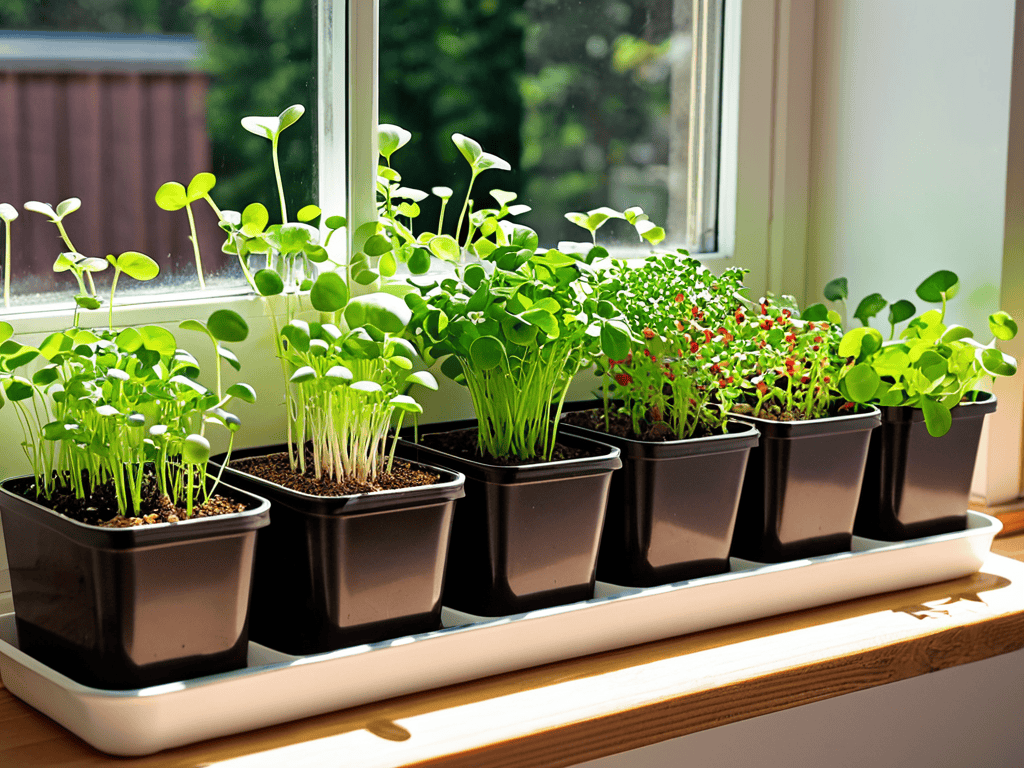
As we’ve explored the world of growing microgreens indoors, it’s clear that this simple practice can have a profound impact on our health and wellbeing. From unlocking microgreen nutrition benefits to selecting the best varieties for our DIY grow kits, every step of the process is an opportunity to nurture our bodies and connect with nature. By following these steps and making microgreens a part of our daily lives, we can experience the magic of watching our food grow and thrive in even the smallest of spaces.
So as you embark on your own microgreen journey, remember that the true power of growing your own food lies not just in the nutritional benefits, but in the sense of empowerment and connection it brings. Whether you’re a seasoned gardener or a curious beginner, the world of indoor microgreens is waiting for you – and with every sprout, you’ll be one step closer to a healthier, more vibrant you.
Frequently Asked Questions
How often should I water my microgreens to prevent overwatering?
Honestly, I water my microgreens when the soil feels dry to the touch, usually every 2-3 days. But it really depends on the humidity and temperature of your space. Just be sure to check on them regularly, and avoid getting waterlogged – that’s a surefire way to kill your precious greens!
Can I grow microgreens in a room with limited natural light?
Don’t worry if your room doesn’t get tons of natural light – you can still grow amazing microgreens! While they do need some light, it doesn’t have to be direct sunlight. A bright, indirectly lit spot or even a good grow light can work wonders. Just be sure to adjust the light duration and intensity according to the variety you’re growing.
What are some common pests or diseases that can affect indoor microgreen growth and how can I prevent them?
Ugh, pests and diseases are the worst! Common culprits include aphids, whiteflies, and fungal infections. To prevent them, make sure your grow space has good air circulation, keep your soil consistently moist but not waterlogged, and use organic pest control methods like neem oil or diatomaceous earth.

